

Key takeaways
- One customer has many different needs. Brands need to find out what each purchase is for, because the same person can want different things each time.
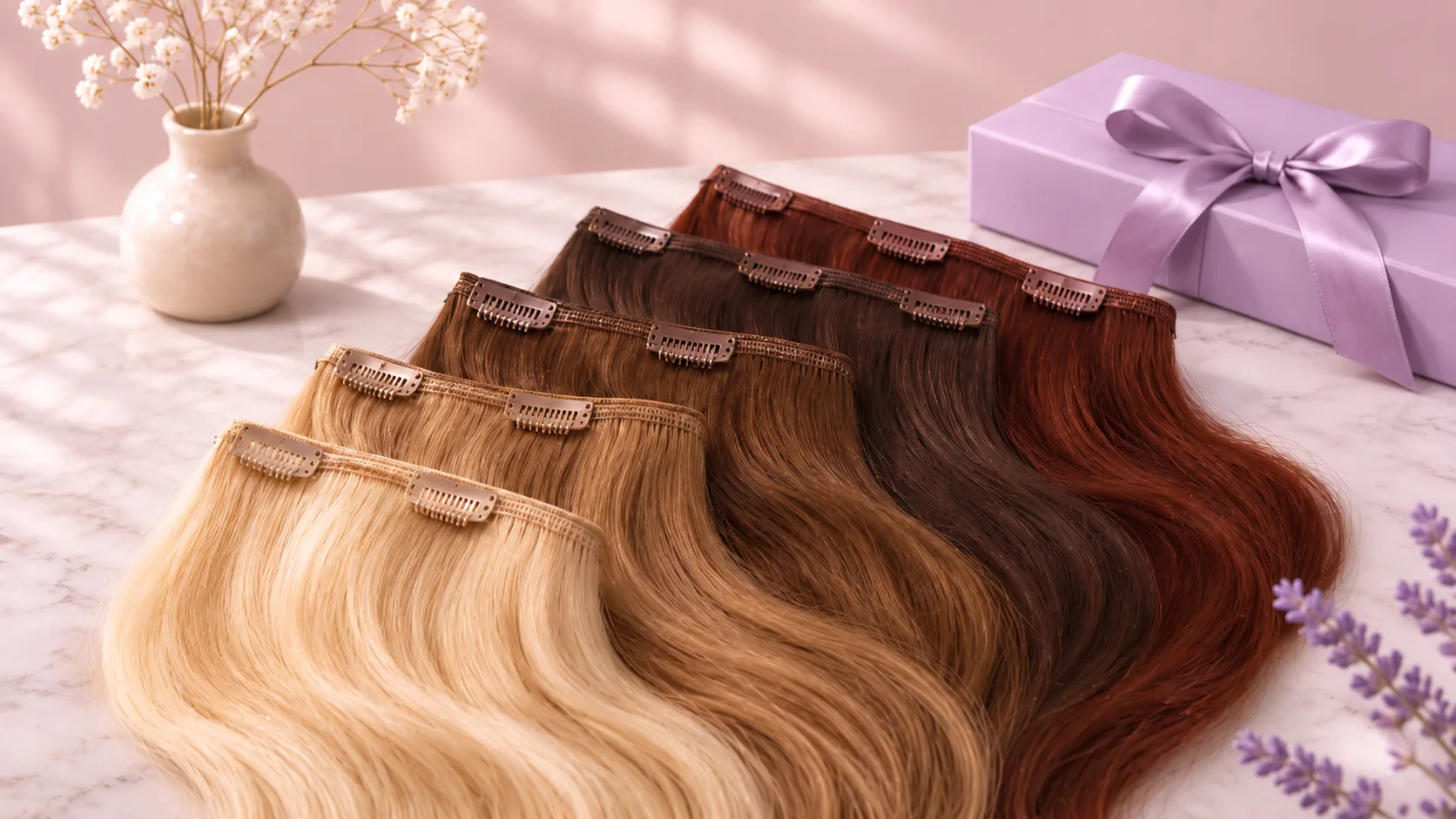
- Customers need education before they can choose. Shoppers often know they want extensions long before they know which shade, texture, or amount to buy. Terms like wefts, toppers, clip-ins, and tape-ins add to the confusion.
- Sensitivity matters. For some customers, extensions are a medical or health necessity rather than a choice. They may feel vulnerable when they ask for guidance, so the support needs extra care.
- Imagery sells, and a shade name isn’t enough. Shoppers want to see the shade on someone with hair like theirs, and red hair is underrepresented.
- Zellor’s shade matching delivers a CX that understands these requirements. It not only provides a shade recommendation in seconds, but also educates and guides buyers on this multifaceted journey.


I’ve worked in beauty for years, and I’ve worn hair extensions for even longer. So, when I think about the buying experience, I see it from both sides: the customer trying to get it right, and the brand helping them choose.
I first discovered hair extensions at 14, walking around Milton Keynes with my friends. I was drawn to the difference they could make to my hair, although I had very little understanding of how to choose or wear them.
Since then, they’ve been part of very different chapters of my life.
Each has taught me something about the buying experience for hair extensions. And brands selling hair extensions need to understand this and include it in their CX strategy.
1. One customer, multiple profiles
One of the unique attributes, some might say challenges, of the hair extension business is that each customer can have vastly different requirements at different times. After bleaching my hair, I ended up with severe breakage and had to cut my hair short. I searched every shop in London looking for pale blonde extensions while worrying about yellow tones and how to blend my “new” hair with my damaged hair.
In my mid-twenties, I returned to my natural red hair. My hair was healthier, but finding a shade match online became a whole new challenge. I spent hours comparing photographs and trying to find influencers with similar coloring. The issue? My hair looked different in every light. How could I be sure that what I ordered would actually match?
When I got married, I had a whole new set of requirements and budget, with very little time to do all the necessary research. And frankly, my selection disappointed me, and I cringe when I look at my photos from that day.
Then came motherhood. Suddenly, application time and maintenance mattered far more. I wanted volume, but I also needed something I would realistically have time to use.
Today, while they may not be part of my daily routine, I still love extensions for volume, and so I will buy them for special occasions.
And my story is not uncommon. Every time I went shopping for hair extensions, I had a different goal. Brands need a way to understand this and to get to know the goal behind each purchase.
2. Customers don’t yet know what to choose
I knew I wanted extensions long before I knew which ones to choose. What I didn’t know was which shade. Or what texture? Or how much I needed. I wasn’t familiar with terms such as wefts and toppers, or what the difference was between clip-ins and tape-ins. What would the maintenance involve?
There is a lot to learn and understand.
Having worked in beauty, I appreciate how much effort goes into answering these questions with consultations, tutorials, and customer service.
Hair extension brands face this pressure too, but what makes it harder is the cost factor. When the prices go up, so does customer hesitation, and they will look for a lot of answers before they can buy with confidence.
And it’s not just about the cost; it’s also about understanding what the best fit is. For example, when I first started, I typically bought lower-priced extensions. However, I only got one or two wears from them, and since I had to make a lot of repeat purchases, I often ended up spending more in the long run. I needed a better understanding of what I was buying and how to care for it. Equally, a synthetic option or clip-in ponytail might be exactly right for someone’s budget and routine. The brands that help customers choose well are the ones that earn a repeat customer.
Plus, they must do so in a way that acknowledges how sensitive a subject hair extensions are for some people. I may have chosen to wear them, but often it is less of a choice and more of a necessity for medical or health reasons. In these circumstances, you have a customer looking for guidance when they are feeling incredibly vulnerable, so extra care and consideration are required.
3. A picture is worth a thousand words
Hair extensions are an industry that relies on imagery. People want to see what the product looks like on them. As a redhead, even though I am painfully aware that red hair is underrepresented on most sites, I still want to see what a recommended shade looks like on someone with similar hair before I consider buying. A shade name alone won’t help me picture the result.
And I think brands ought to take it a step further and show not just one recommendation, but a selection of neighboring shades, and explain the different hair textures and how much hair was used to achieve each particular result.
Zellor’s hair extension color matching
We’ve been in the beauty industry for years, working with brands to bring guided buying experiences to the beauty buyer. Our hair extension solution offers brands a way to tackle each part of the buyer journey, from selection to education.
First off, no more waiting for a response. Zellor provides a color match instantly. Customers snap a selfie on their phone. There’s no app to download, and no images are stored. Instead, we guide the image capture so that we can then, within seconds, recommend a shade and explain the expert reasoning behind it.
We also bring in video clips from the brand’s library to show the recommended shade on hair like the customer’s, so they can confirm the match. And because the whole interaction takes place within a conversation, we can answer other questions the customer might have and educate them on care and selection.
We brought every part of the hair extension buying journey into our model, so that we can truly say we are helping brands solve their issues and helping customers find the perfect match.
If you work with a hair extension brand, I’d love to hear the questions your customers ask most and talk about how we could help.