


Key takeaways
- Video sells, and beauty’s “show me” buying journey makes it especially effective.
- Shoppable video lets customers navigate to any of the products featured in each video.
- Tutorials work as in-store-style sales assistants, building confidence and cutting returns.
- Embedded video makes creator content measurable, from clicks to revenue.
- Start with hero products, place video where intent is high, and iterate on the data.


TikTok changed the way many of us experience the world. It also changed the way we experience shopping. In the first six months of 2026 alone, customers spent over $50.3 billion on TikTok Shop, and according to Nielsen, TikTok Shop is now the #4 US Health and Beauty eCommerce retailer.
While there are many conclusions we can draw from the above, one thing is evident: video sells.
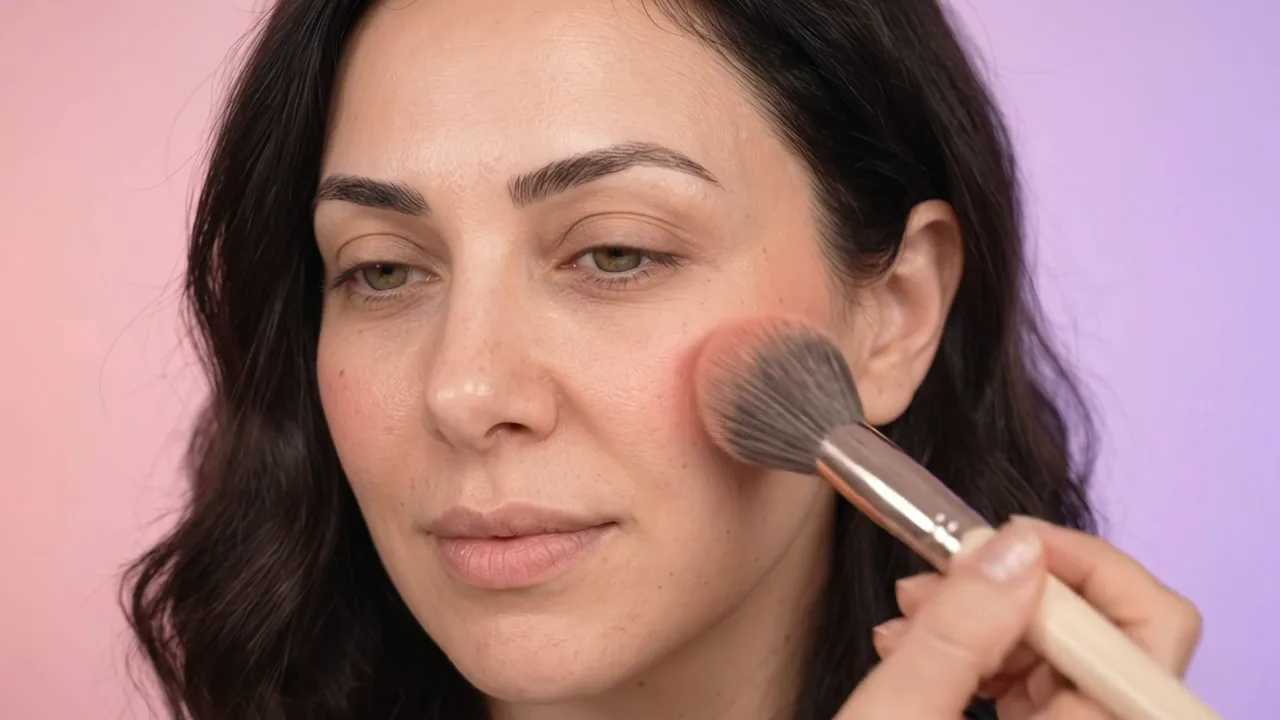
And for the beauty industry, this message is particularly resonant as it’s always been a sector that relied heavily on proof, on a “show me” rather than a “tell me” buying journey. Very few people buy a lipstick without a sense of whether it will work for them; they do, however, buy it because they saw how it looked on skin, how it applied, and how it moved in the light. They want to know whether a foundation oxidizes, whether a mascara clumps, whether a serum absorbs or sits greasy on the skin.
Static product photos can’t answer those questions.
How shoppable video turns viewers into customers
It removes friction from the path to purchase
The traditional buying journey looked something like this: watch a tutorial, remember the product name, open a new tab, search for it, find the right shade, and finally check out. Every step was a chance to lose the customer.
Shoppable video removes that risk and keeps the customer on the conversion path.
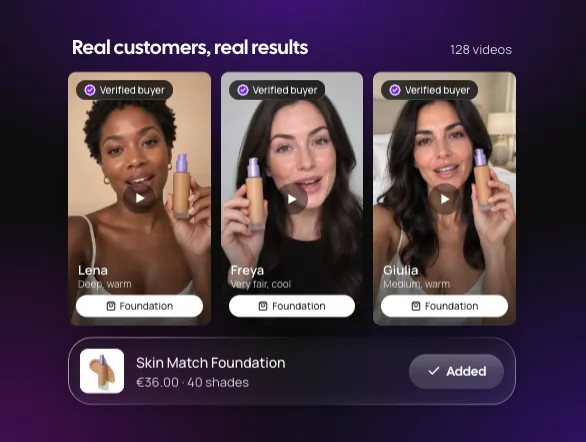
Products are tagged directly in the video, so viewers can tap, choose a shade, and buy without leaving. Fewer steps mean fewer drop-offs, and in a category full of impulse and discovery purchases, that matters enormously.
It turns tutorials into your best sales assistant
You already have a library full of videos showing how to use your products. And these are essential in building brand awareness and customer education.
But they are also an underused sales tool.
One of the main blockers to online beauty purchases is the lack of application expertise and advice that someone would receive if they were shopping in-store. Tutorials mimic that experience, and customers get the information they need to know to use the product the right way. And as with a sales assistant in the shop, customers can buy directly once they watch the video. They get the benefit of the knowledge of the expert, someone walking them through the product, showing them how to use it, and recommending what pairs well together.
Online, shoppable video is the closest thing to the counter experience.
It builds confidence around shade and fit
Will this shade work for me? This has to be one of the top concerns of shoppers and one of the main reasons behind both cart abandonment and returns. Video addresses both of these issues by showing products on a range of skin tones, undertones, and textures in real lighting.
When shoppers can find someone who looks like them and see the product working, they feel more inclined to make the leap. They will make better-informed purchases, thereby reducing the likelihood of a return.
It makes creator content measurable
Most brands will have invested both time and money into creating product videos. Shoppable video means that now you can embed the content on product pages, homepages, and landing pages, and tie it directly to revenue. Instead of wondering whether a creator video “worked,” you can see which clips drive clicks, which products get tagged and bought, and which formats resonate.
That data feeds back into everything: what to produce next, which creators to partner with, and which products to feature more prominently.
It meets shoppers where they already are
Your customers are already discovering beauty products on the socials and are watching, saving, and sharing. Shoppable video, whether on social platforms or embedded on your own site, just means that you can capture that attention and convert it, rather than hoping viewers remember to come back later.
Owning the experience on your own site matters too. It keeps shoppers in your environment, gives you first-party data, and lets you control the story around your brand.
Video drives conversions
If a picture is worth a thousand words, then video is priceless. And our clients can already attest to this.
The PDP Shoppable Video effect measured across live Zellor stores
- 3×more add-to-carts from shoppers who watch a video
- 50%of video shoppers buy within 15 minutes of pressing play
- 1.4×more likely to buy again within 90 days after watching a video
With Zellor Signals, our customers also have access to the kind of performance data and insights that make video work harder. These brands now understand what videos are working and which ones are not.
They can monitor:
- Click-through on product hotspots
- Video-to-cart conversion rates
- Viewer-to-purchaser ratios
- Product-specific engagement levels
With this information, they can refine content strategy, optimize product placement, and demonstrate direct revenue impact.
How to get started
- Start with your hero products. Tag best-sellers and new launches first.
- Mix formats. Tutorials, product demos, reviews, and short-form clips all play different roles in the funnel.
- Feature real faces and real skin. Authenticity beats polish.
- Place video where intent is high. Product pages, collection pages, and the homepage are strong starting points.
- Measure and iterate. Track engagement, click-through, add-to-cart, and conversion by video, then double down on what works.
The bottom line
In beauty, the brands that win are the ones that help customers see, trust, and act, quickly. Shoppable video does all three. It educates like a tutorial, persuades like a recommendation, and converts like a checkout button, all in one experience. For beauty brands that want to grow engagement, confidence, and sales, it’s not a nice-to-have. It’s becoming the standard.